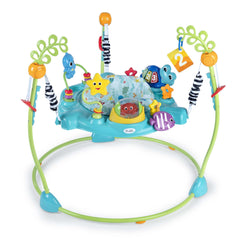


As winter sets in, many parents wonder how to keep their little ones entertained and engaged. Babies are naturally curious, and the colder months offer unique opportunities to stimulate their senses and encourage development. This guide provides a variety of indoor and outdoor winter activities for babies that are both fun and safe, ensuring that even the chilliest days are filled with warmth and joy.
Indoor Winter Activities for Babies
Sensory Bins for Tactile Play
Sensory bins are a fantastic way to introduce your baby to new textures and materials. Fill a shallow container with safe, diverse items such as rice, soft fabric, or pom-poms. Let your baby explore these textures with their hands, which can enhance tactile development. Always supervise your baby closely for safe exploration.
Themed Sensory Experiences
Introduce different themes like "Beach Day" with sand and shells or "Forest Adventure" with leaves and sticks (all sanitized and safe). These themes can help your baby connect sensory experiences with real-world concepts, sparking early cognitive connections.
Aromatic Sensory Play
Enhance the sensory experience by adding aromas. Use a drop of lavender oil on fabric or a cinnamon stick in the bin. This not only enriches the sensory play but also introduces your baby to new scents, aiding in olfactory development.
Visual Stimulation with Color
Use items of varying colors to stimulate visual senses. Brightly colored pom-poms or fabrics can make the activity visually appealing. Discussing colors while your baby plays can also kickstart early language skills related to color recognition.
Indoor Obstacle Course
Create a simple obstacle course using pillows, cushions, and soft blankets. Encourage your baby to crawl over and around these, fostering physical development, spatial awareness, and motor skills. Adjust complexity based on your baby’s age.
Musical and Creative Play
Homemade Musical Instruments
Introduce your baby to music with simple instruments. Pots, pans, and wooden spoons can become a drum kit, while a rattle can be a perfect shaker. Babies can sway or bounce to rhythms, promoting both physical and auditory development.
DIY Art and Finger Painting
Let your baby express their creativity with non-toxic finger paints. Spread out a large sheet of paper and allow safe exploration using brushes, sponges, or natural items like leaves to add extra sensory dimensions.
Puppet Shows and Storytelling
Puppets bring stories to life and captivate babies’ attention. Use socks or hand puppets to create characters. Small puppet shows engage imagination, develop early language, and foster social skills.
Reading and Bonding Activities
Interactive Storytime
Reading to your baby is a wonderful bonding experience. Choose colorful books with simple, rhythmic text. Encourage babies to turn pages and point to pictures, which supports fine motor skills and language development.
Cozy Reading Spaces
Set up a cozy reading nook with blankets and pillows. Designate a special space for reading to make storytime memorable and encourage a lifelong love of books.
Outdoor Winter Activities for Babies
Exploring Snow and Texture
Take your baby outside for snow play—let them touch and feel snow, build a small snowman, or make snow angels. The textures and temperatures provide a unique sensory experience and stimulate neural development.
Creative Snow Art
Encourage creativity by making snow sculptures or adding food coloring to snow for colorful play. Always ensure your baby is appropriately dressed for the cold and that sessions are brief for safety.
Winter Walks and Nature Discovery
Stroll with your baby in warm layers, exploring your neighborhood or a nearby park. Point out birds, trees, and the way snow sparkles. Use these moments to build vocabulary and observational skills.
Frozen Bubbles Science
Blowing bubbles on cold days can create magical frozen patterns. It’s mesmerizing and teaches cause and effect for young learners.
Safety, Comfort, and Wellness Tips
Dressing in Layers
Dress your baby in layers: start with a base layer, add insulation, and finish with a waterproof outer layer for snow play. Always use hats, mittens, and warm booties.
Monitor Time and Comfort
Keep outdoor sessions short. Watch for signs of cold or discomfort and take regular indoor breaks for warmth, hydration, and snacks.
Balanced Schedule and Hydration
Create a routine that includes both indoor and outdoor activities. Offer fluids regularly and incorporate hydrating foods suitable for your baby's age.
Winter can be a magical season of learning and play for babies. Whether indoors with colorful sensory bins or outside experiencing snow, these activities help your baby flourish through every chilly day.